2012 AILA National Landscape Architecture Award: Design
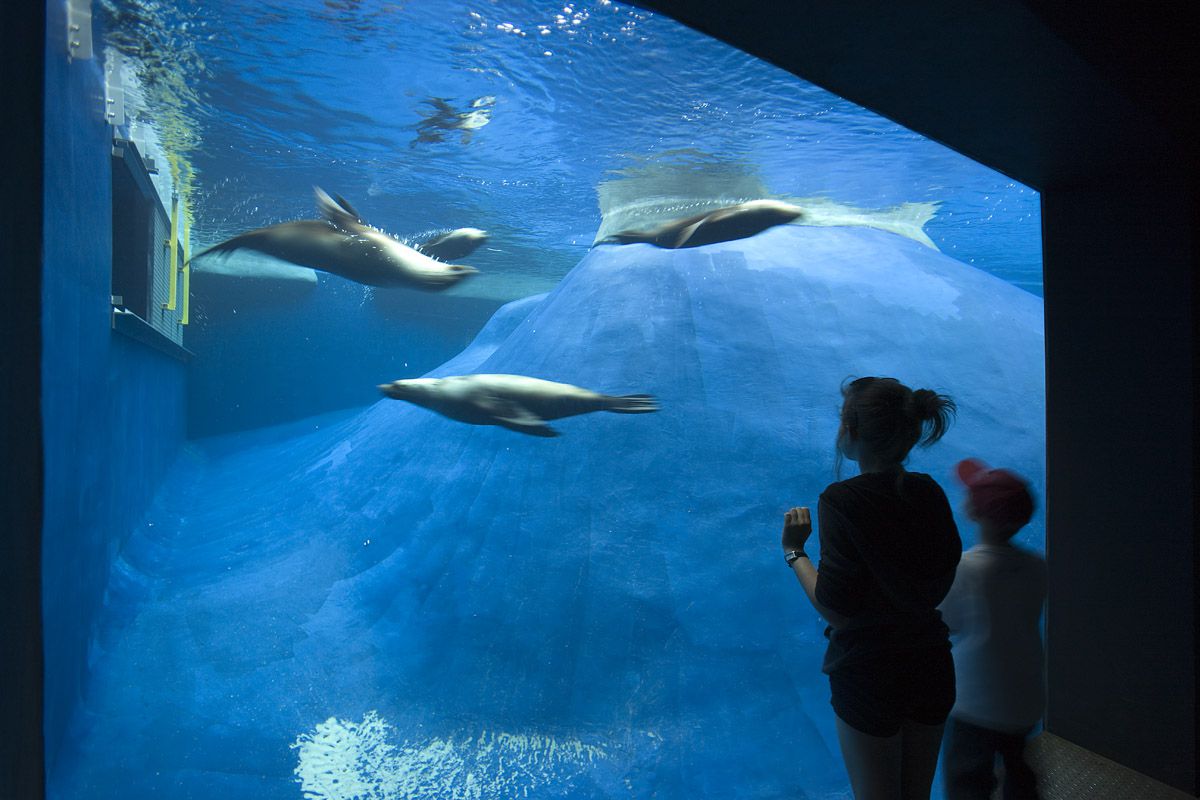
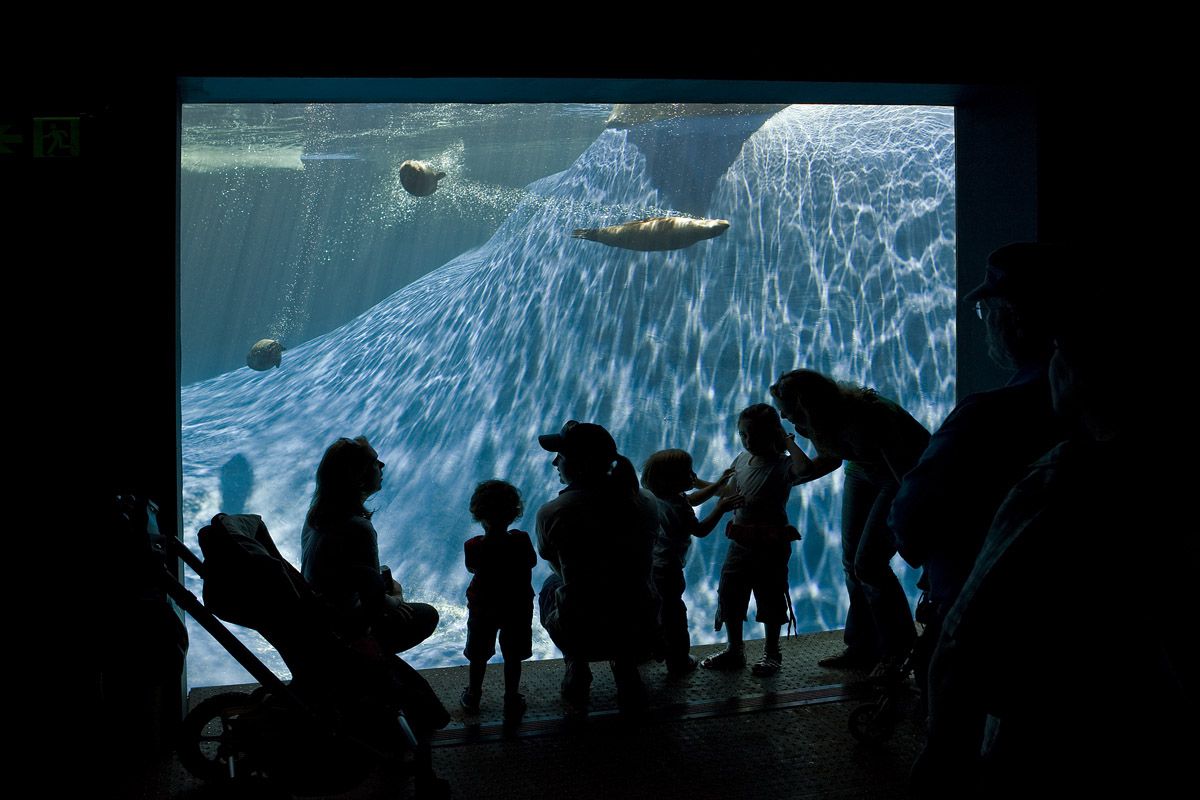
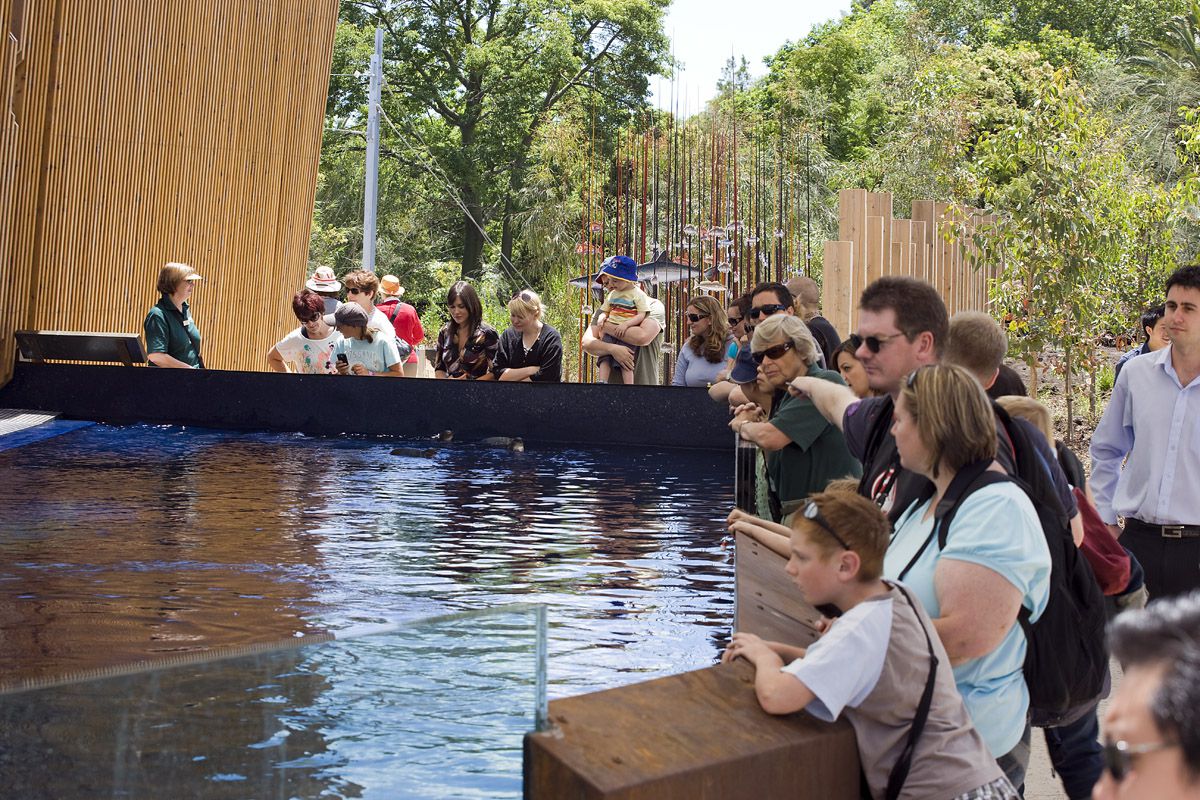
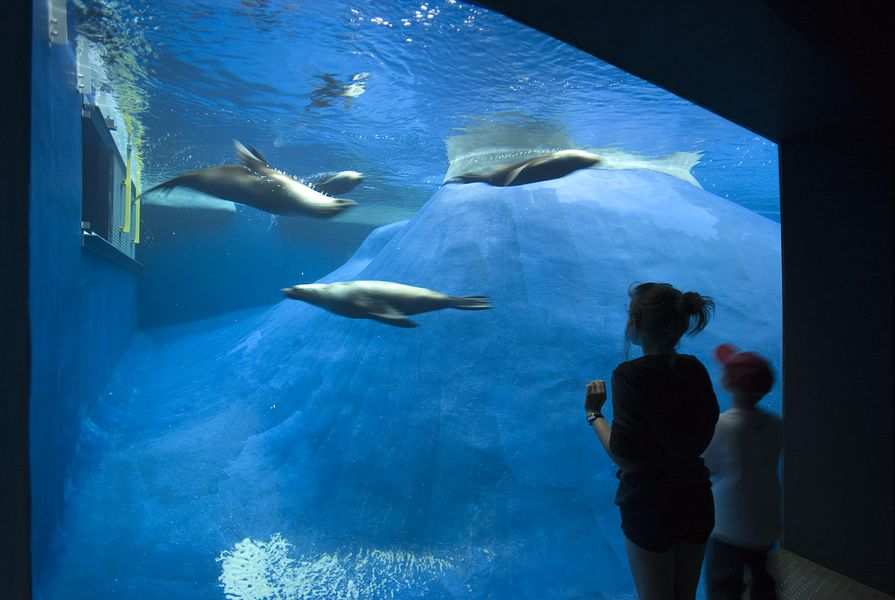
The sublime beauty of the animals moving through water is enhanced by the simple treatment of the pools. Image: Ben Wrigley
The exhibit seeks to introduce visitors to the unfamiliar secrets of the sea and its animals, and also to inspire them to act in their private lives to improve local marine environment.
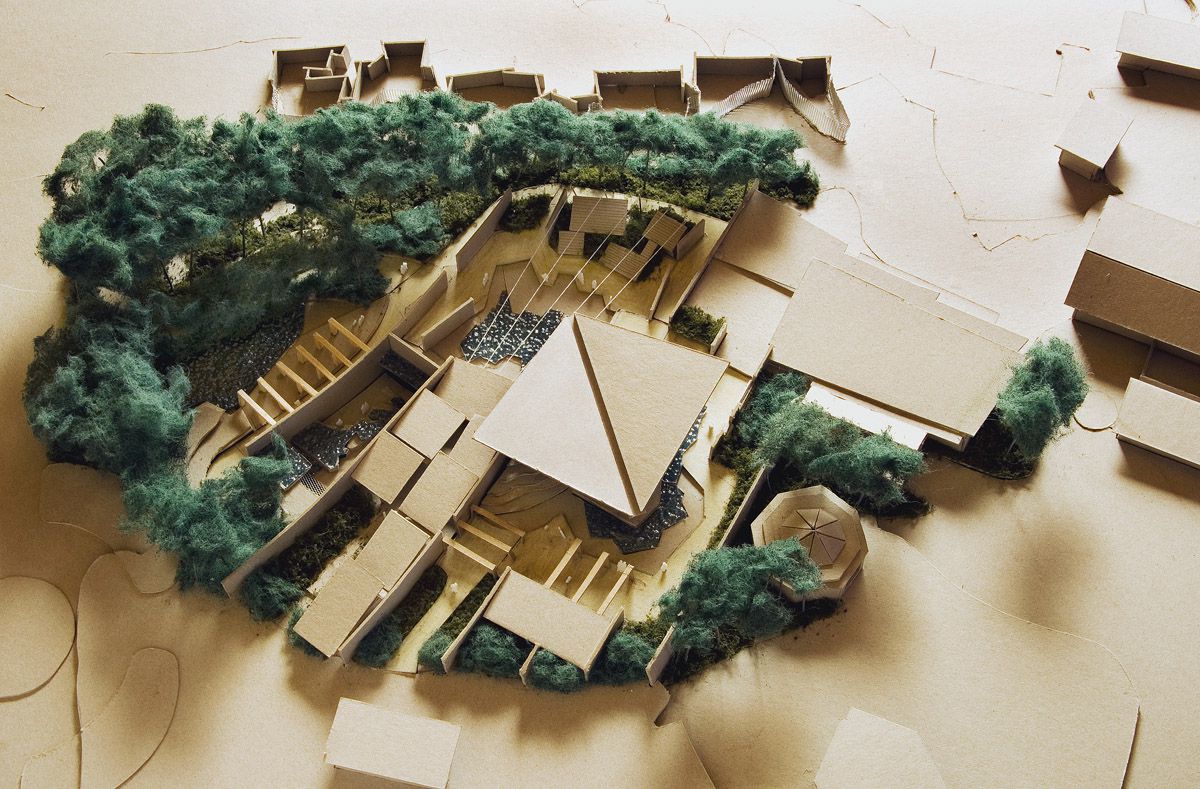
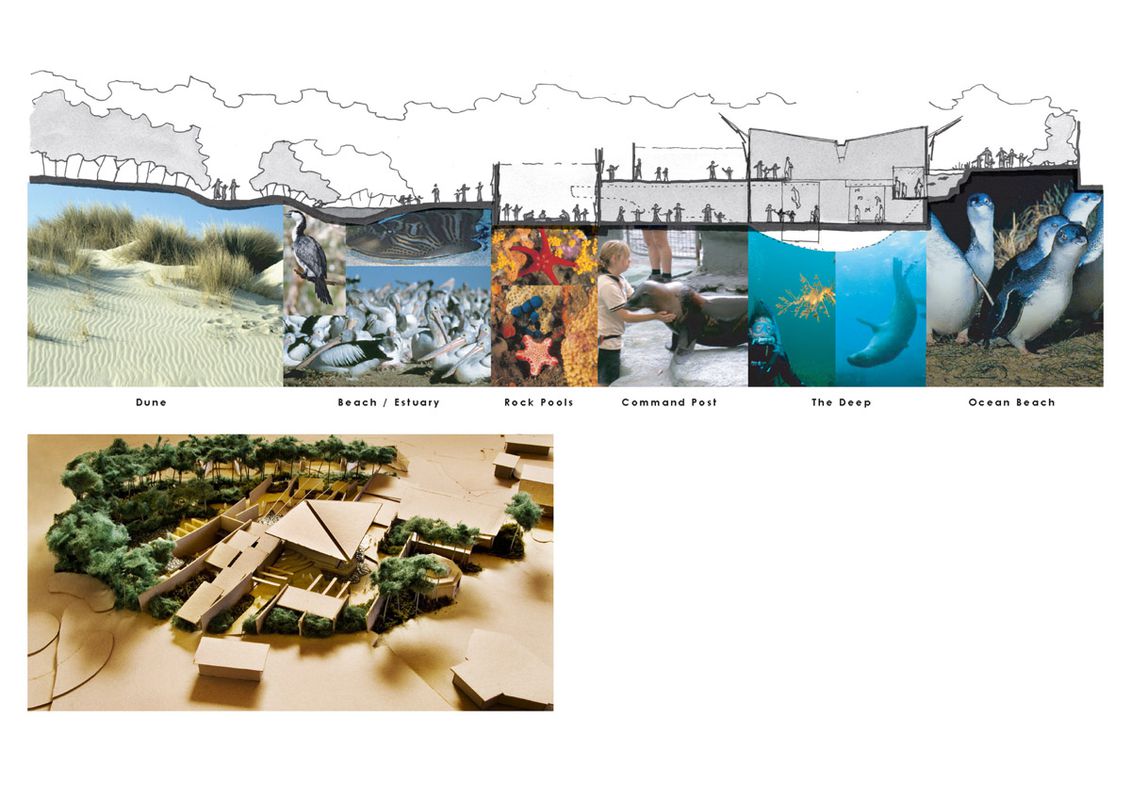
The intertwining of landscape architecture and architecture is captured in one of the many models built during the design stages.
The exhibit takes visitors through a sequence of environments and habitats from dunes to beach/estuary, then rockpools, followed by the underwater environment of the The Deep, and the ocean beach.
Looking into the deepest diving section of the Seal Pool. Image: Ben Wrigley
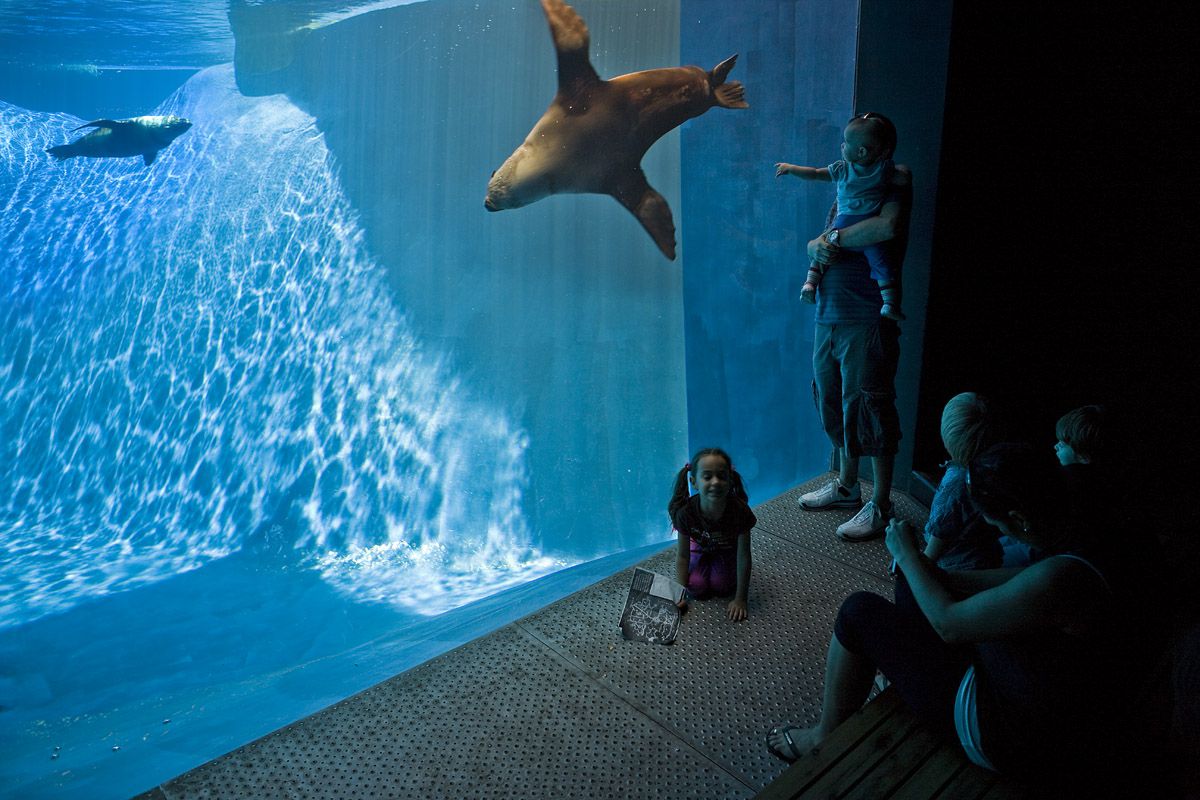
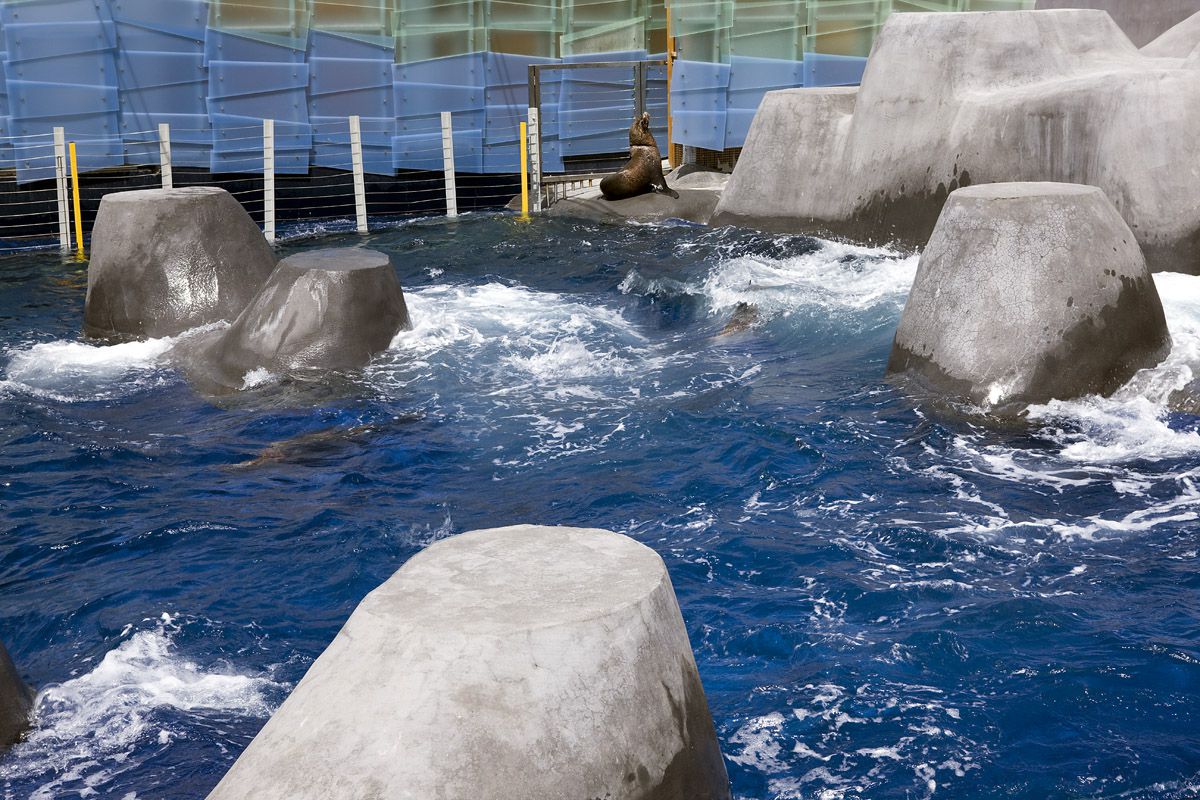
The configuration and depth of the pools maximises the water area, volume and interest for the seals. Image: Ben Wrigley
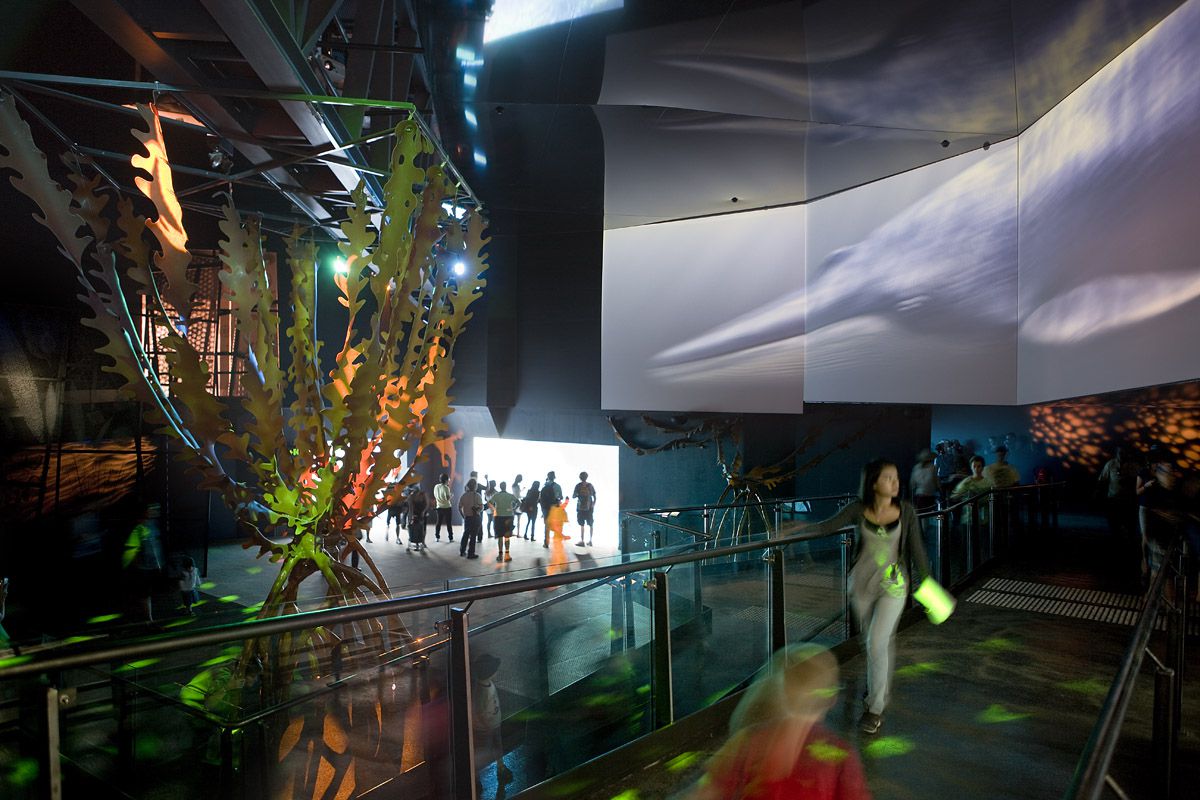
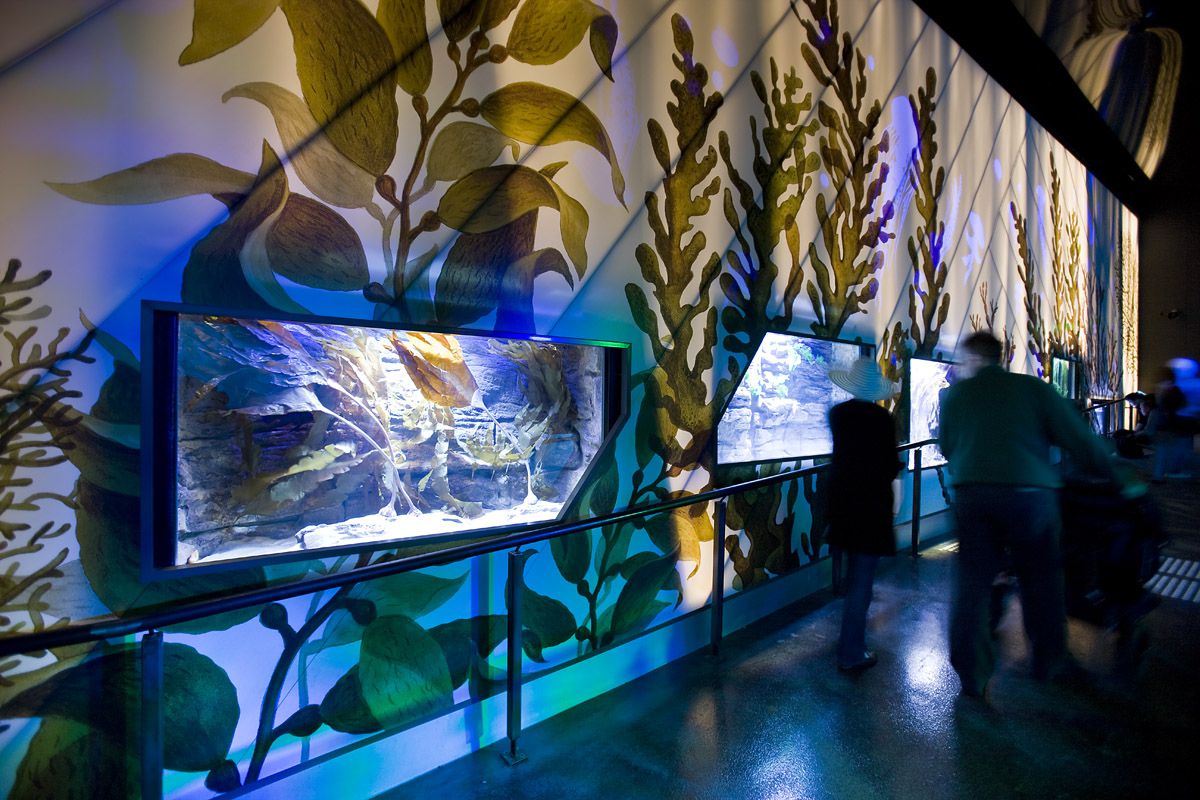
Ramps wind up through The Deep allowing views into different pools and aquaria. Image: Ben Wrigley
ighting within the controlled light conditions of The Deep enhances the experience of seeing underwater. Image: Ben Wrigley
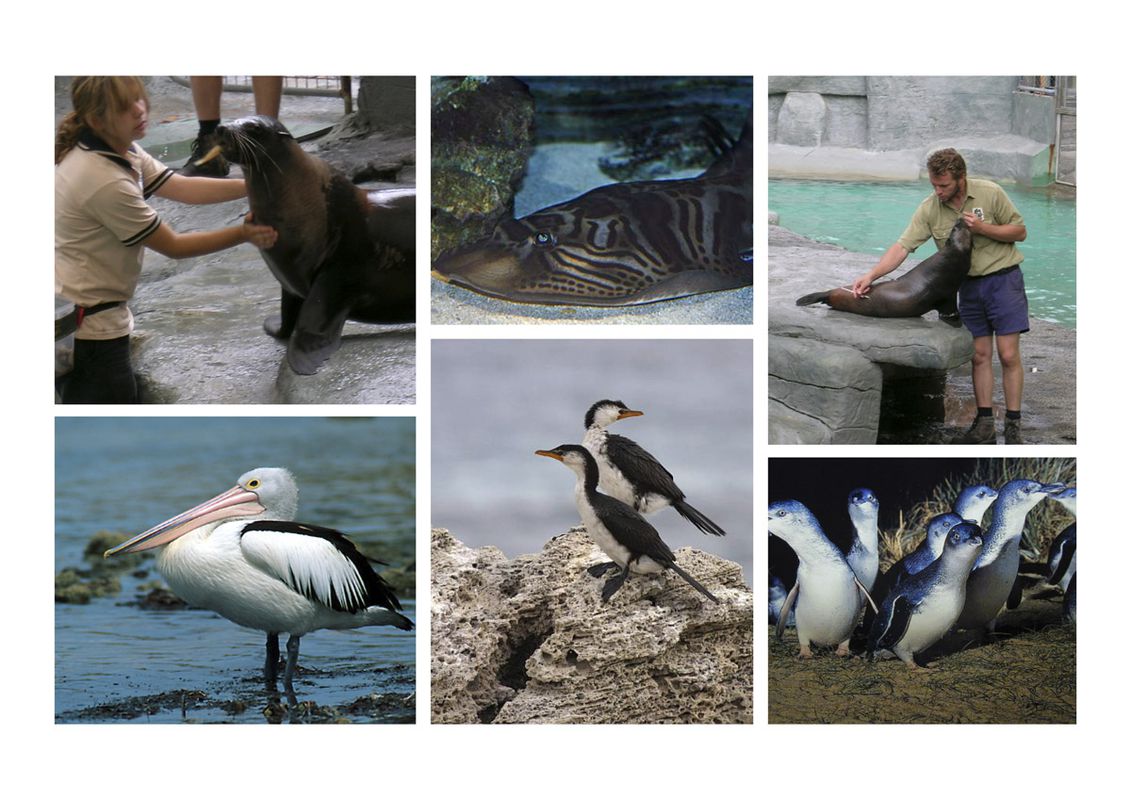
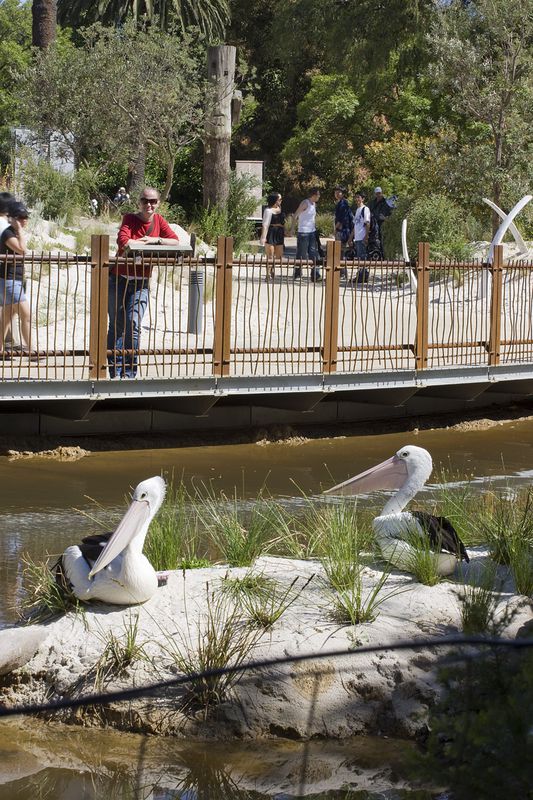
Near the exhibit, entry dune formations and an estuary pool house pelicans and eels. Image: Ben Wrigley
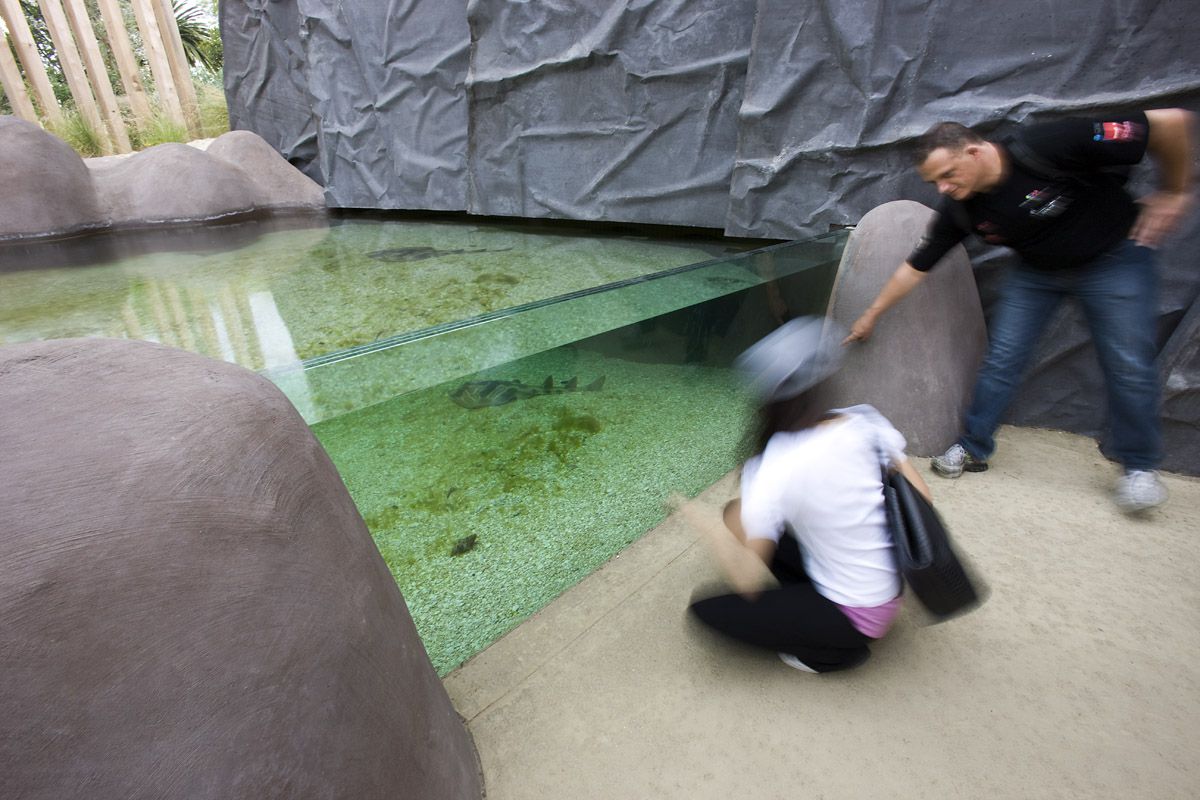
The Fiddler Ray pools lead down into the entry to The Deep. Image: Ben Wrigley
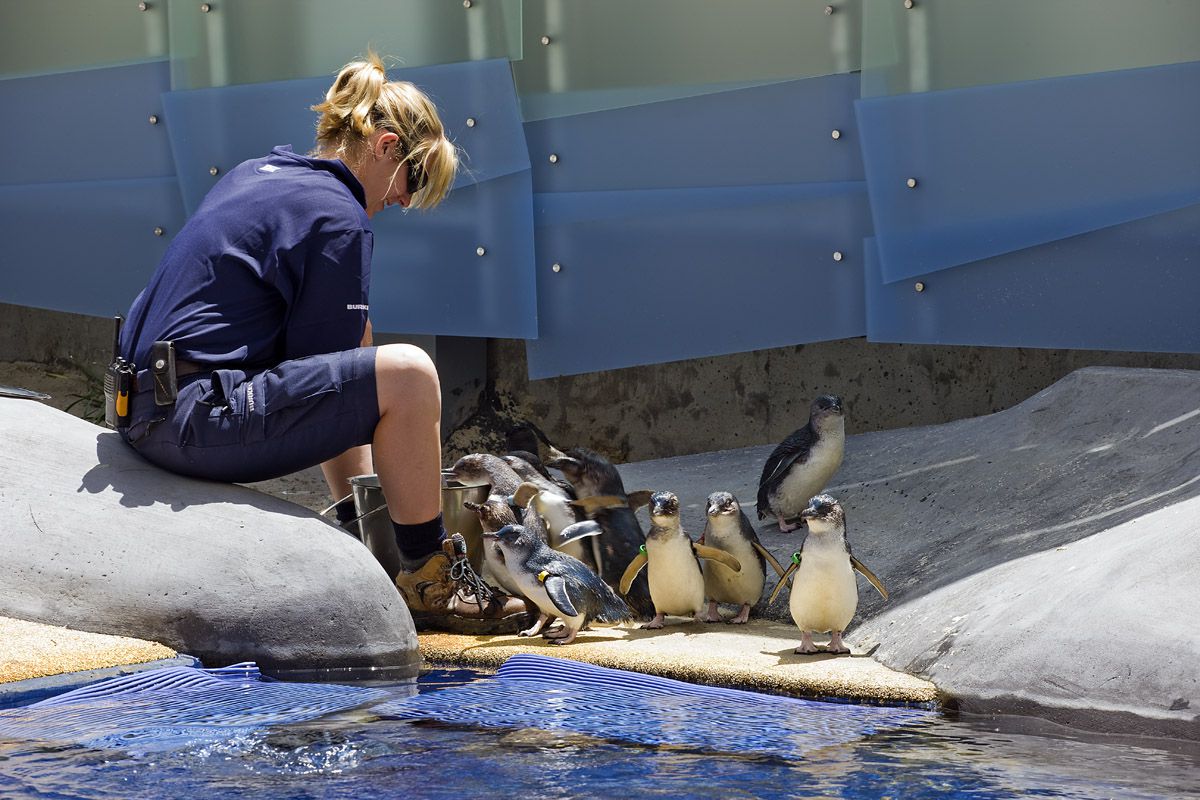
The Little Penguins have a pool with associated ‘rock’ edges and dunes for burrows. Image: Ben Wrigley
The Penguin pool is especially popular and allows close viewing of the penguins as they move through the water with incredible ease. Image: Ben Wrigley
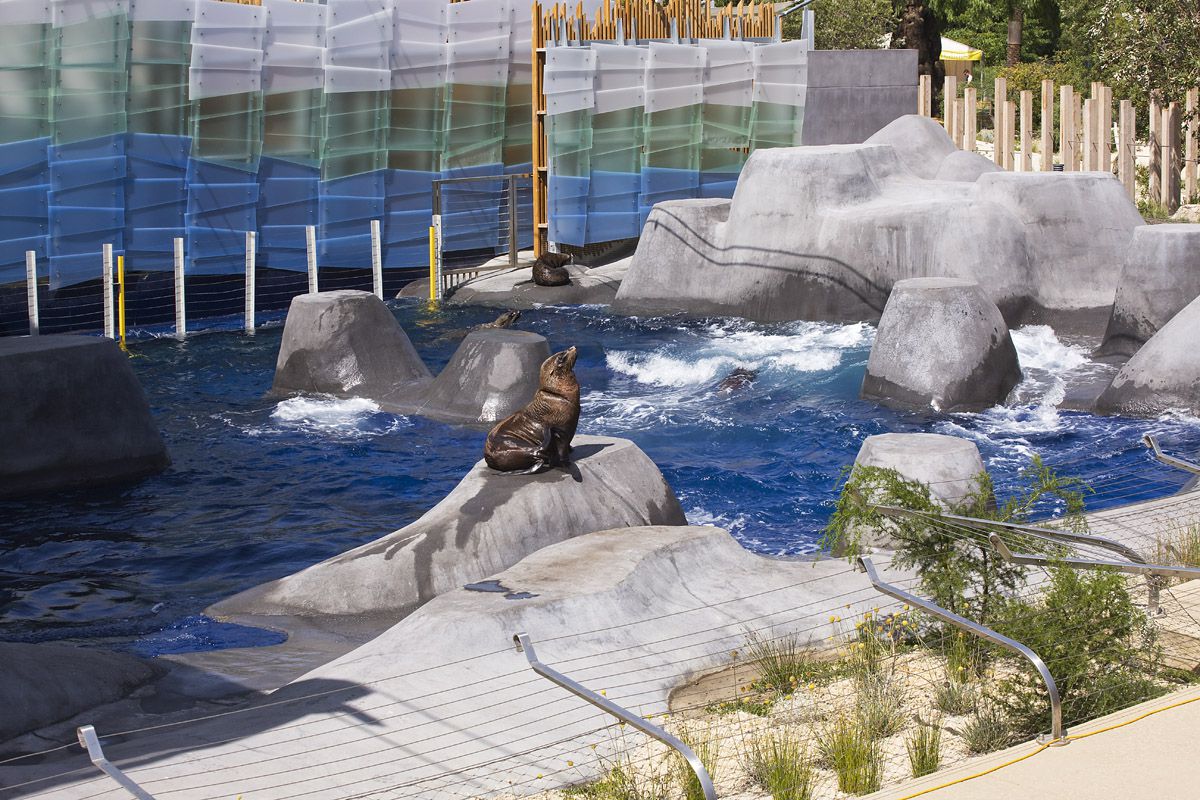
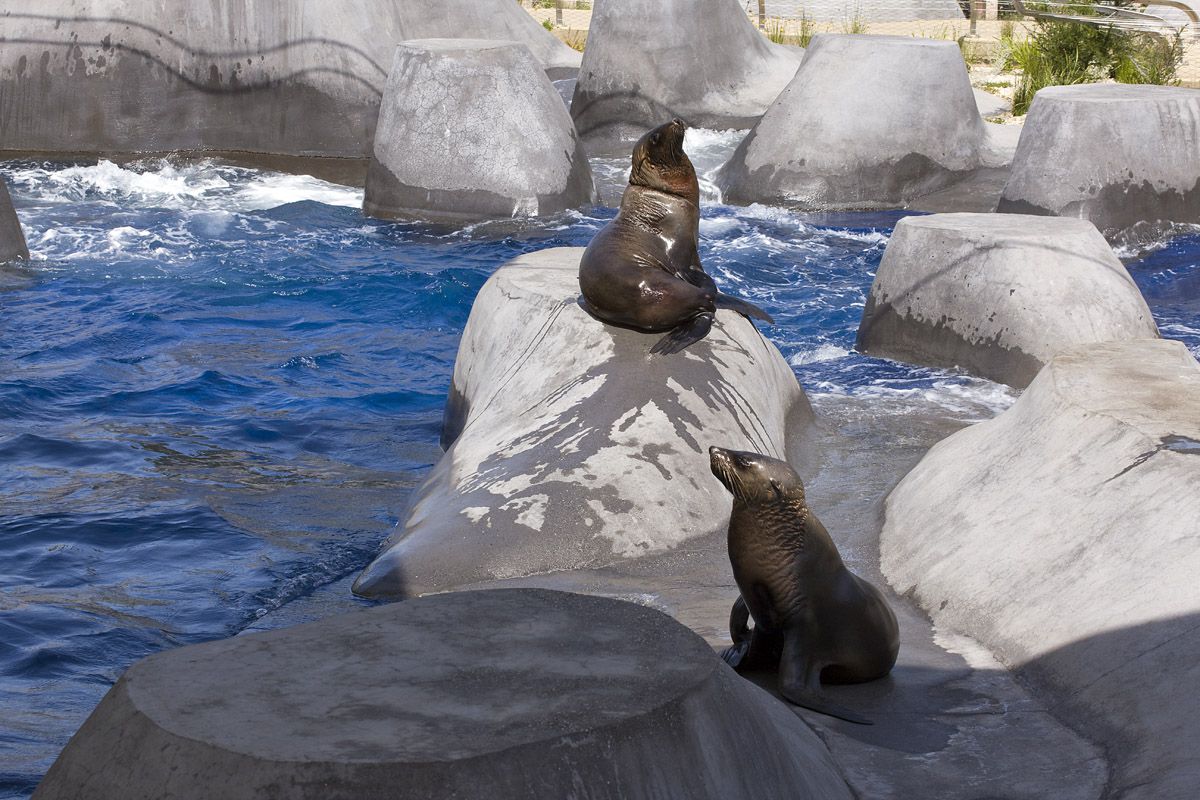
The Seal pool edges are sculpted with specially design slopes and ledges for ease of movement into and out of the water. Image: Ben Wrigley
The custom designed enclosure maximises views of the seals as they move around their new environment. Image: Ben Wrigley
The wave machine creates ocean-like waves within the seal pool. Image: Ben Wrigley
The plantings have grown rapidly to enclose the exhibit and create a coastal character. Image: Ben Wrigley
Wild Sea Exhibit, Melbourne Zoo by Taylor Cullity Lethlean
Client: Zoos Victoria
Partners: Troppo Architects, David Lancashire Design, Oceanis
Jury comment
This is an innovative marine zoo exhibit, which brings the visitor into an exciting and educative facility which at the same time offers both a beautiful and educational experience. Outstanding aspects of the Exhibit include:- the sustainability considerations including the closed water system, The Deep, the underwater exhibit, and the integrated and evocative design of the other marine exhibits.
It is evident that the consultative process and design planning was comprehensive and responsive to both the zoo’s and the visitors needs. The jury commend that the educational and sustainable design considerations were maintained alongside the structural and exhibit’s design development and contemporary built expression.
A commendable and crucial factor to the successful integrated built achievement was the close collaboration of the landscape architect with the architect and engineer.