
Architecture Australia, January 2012
Architecture AustraliaProvocative, informative and engaging discussion of the best built works and the issues and events that matter.

Provocative, informative and engaging discussion of the best built works and the issues and events that matter.
Brian Zulaikha’s introduction to the January 2012 issue of Architecture Australia.
Timothy Moore’s introduction to the January 2012 issue of Architecture Australia as editor of the magazine.
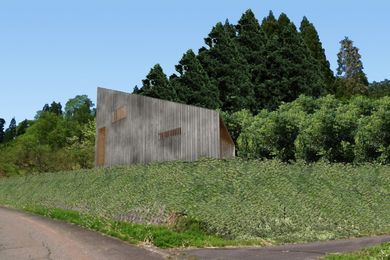
A series of images from a competition to build an art residency and gallery in Japan.
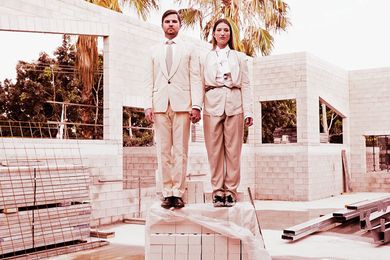
Shoot the Architect asked Queensland photographers to show architects in a new, imaginative light.
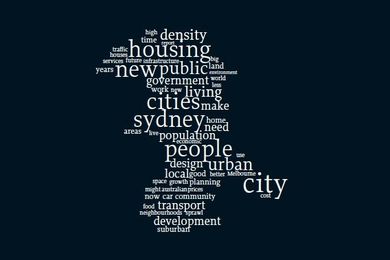
The continual sprawl of Australian cities was cause for recent discussion across Sydney micromedia.
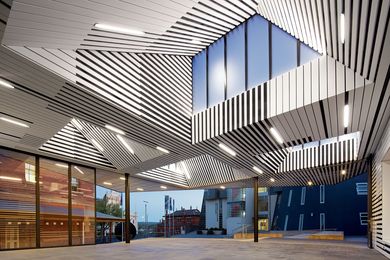
Searle × Waldron makes a grand stand in the city of Ballarat.
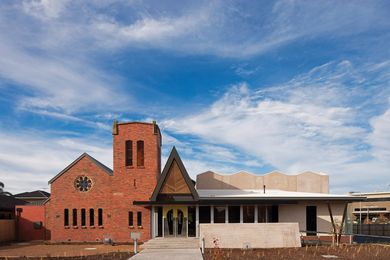
Harmer Architecture congregates church, factory, house and Polynesian pavilion.

Hassell chairman Ken Maher reviews Bates Smart’s 420 George Street.

Bates Smart director Philip Vivian reviews One40william by Hassell.
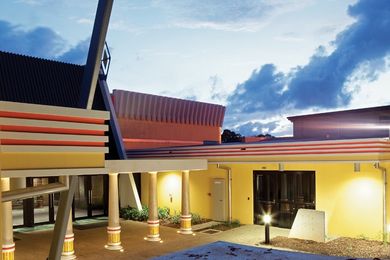
M3architecture brings pattern to the fore in Brisbane.
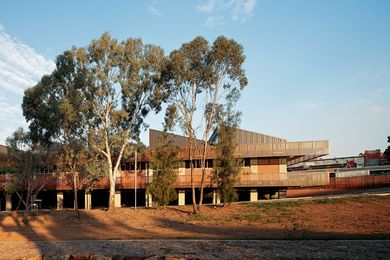
The rebuilding of soldiers by S2F.

Annabelle Pegrum looks at the short-listed proposals for the Australian exhibition at the 2012 Venice Architecture Biennale.
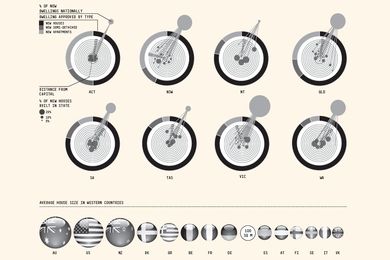
Australian houses are the largest in the world and getting bigger, reports Amelia Borg.
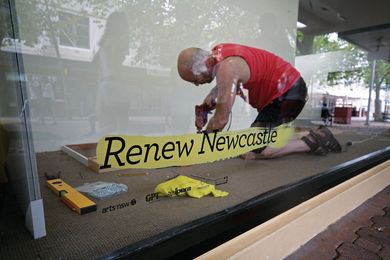
Tarsha Finney argues for greater agency in the process of urban renewal by maintaining an economic perspective.
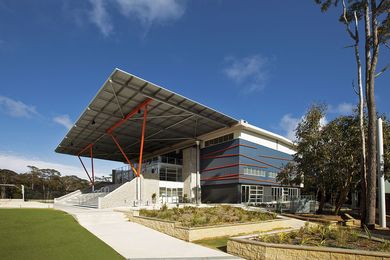
Clare Newton and Lena Gan contemplate the impact of the national investment known as Building the Education Revolution.
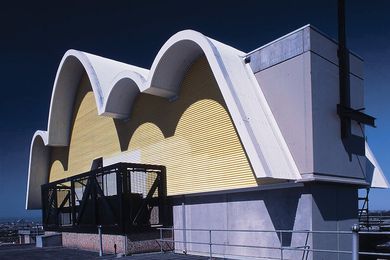
In making every part of a project sustainable we can overlook the fact that the strategy of designing less can achieve more.
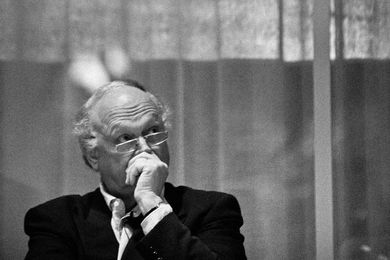
Marcus Trimble talks to architect Glenn Murcutt about generations of practice.
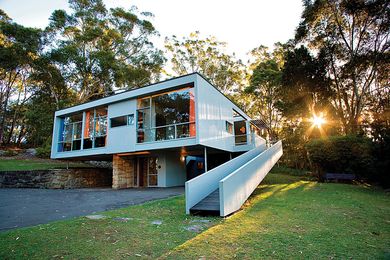
Marissa Looby and Michael Holt explore the inherent paradox in the idea of being modern.
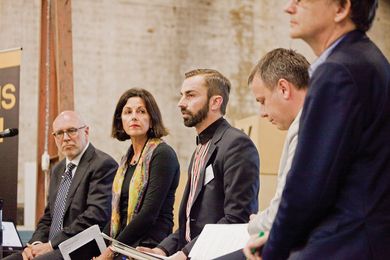
Faced with more rules and regulations, is it time to take a risk?
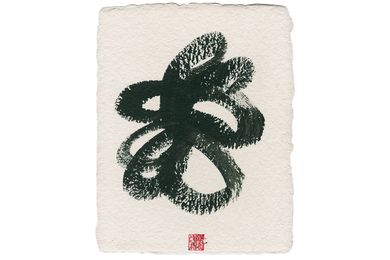
Harpreet (Neena) Mand reviews an exhibition of sketches by Australian architects.
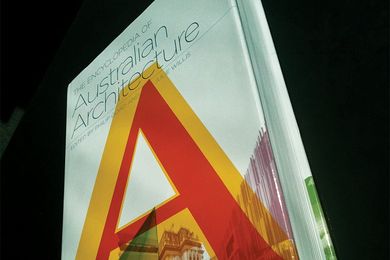
Peter Bickle reviews The Encyclopedia of Australian Architecture, edited by Philip Goad and Julie Willis.
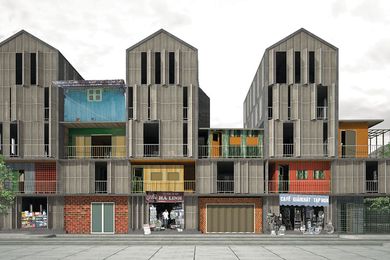
While unbuilt projects are by nature speculative, the entrants to the 2011 AA Prize also keep it real, writes Timothy Moore.

Kokkugia’s Roland Snooks looks at the detail as the generator of form and organization.